
Ball Valves
Ball valves are a type of shut-off valve that controls the flow of either gas or liquid ( LCO2 – Chemical Liquid – Acide etc. ). This can be done by using a rotating ball that has a bore. By rotating the ball 90 degrees, the gas or liquid is blocked or allowed to flow through. They are known to provide a stable seal even when not used for a period of time. They also have a longer service life. In addition, they have better resistance to contaminants, making them a more popular choice among other valves.
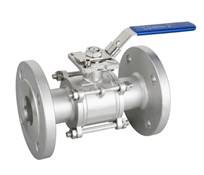
The Manual Three-Piece Single Way Flanged Ball Valve is a versatile valve designed for precise control of fluid flow in industrial applications. Constructed in three pieces with flanged ends, this valve allows for easy maintenance and servicing without needing to remove the entire valve from the pipeline. It is ideal for applications where reliable shut-off and flow control in a single direction are essential. The valve's robust design and flanged connections ensure compatibility with high-pressure and high-temperature environments, making it suitable for industries such as oil and gas, chemical processing, and water treatment. With its manual operation, operators have direct control over flow adjustments, ensuring efficient and dependable performance in various industrial settings.
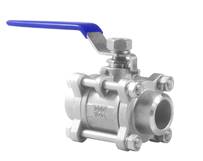
The Welded and Threaded Two-Way Manual Ball Valve is a robust industrial valve designed for manual operation and efficient flow control in pipelines. Featuring a welded construction, this valve is known for its durability and resistance to leaks, making it suitable for various applications in industries such as oil and gas, petrochemicals, and water treatment. The manual operation allows for precise control over fluid flow in two directions, providing flexibility in system configurations. With its welded body and reliable sealing mechanisms, the valve ensures secure and maintenance-free operation over extended periods. It is ideal for applications where reliability, durability, and ease of operation are critical considerations.
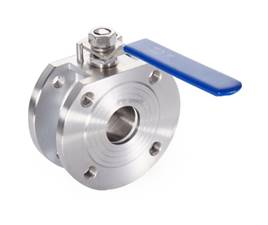
The Manual Thin Ball Valve is a specialized industrial valve designed with a thin-walled construction for applications where space-saving and lightweight design are crucial. This valve features manual operation, providing operators with direct control over fluid flow. Its thin-walled design reduces weight and facilitates installation in compact spaces or systems with limited clearance. The valve is suitable for a variety of industries including HVAC, water treatment, and pneumatic systems, where precise flow control and minimal footprint are essential. With its robust construction and reliable sealing, the manual thin ball valve ensures efficient performance and long-term durability in diverse industrial environments.
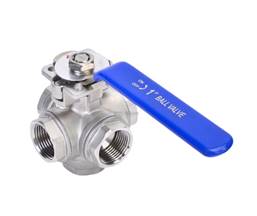
The Manual High Platform 5-Way Threaded Ball Valve is a versatile industrial valve designed for precise fluid control in complex piping systems. Featuring threaded connections and a high platform design, this valve facilitates efficient management of fluid flow in five different directions. It is engineered for applications requiring intricate flow configurations, such as diversion, mixing, or isolation of fluid streams into multiple paths. The manual operation provides operators with direct control over flow adjustments, ensuring flexibility and reliable performance in diverse industrial environments. With its robust construction and dependable sealing mechanisms, the valve minimizes leakage and maintains operational integrity over extended periods. It is suitable for use in industries such as chemical processing, oil and gas, and water treatment, where reliable and adaptable fluid control solutions are essential.
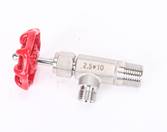
Needle valves are fine-tuning valves with needle-shaped plugs that are primarily used to regulate gas flow. Fine-tuning valves require that the opening of the valve orifice gradually increases, and the valve can be continuously and finely adjusted from closed to maximum open. Needle valve plugs can perform this function. Needle valve plug is generally made of hardened steel needle, and the valve seat is made of tin, copper and other soft materials. Valve needle and valve seat seal is dependent on its taper surface to achieve a tight fit. The taper of the valve needle has two kinds of 1:50 and 60 taper angle, and the taper surface should be finely ground. The seal between the valve stem and the valve seat is provided by the bellows.